The situation
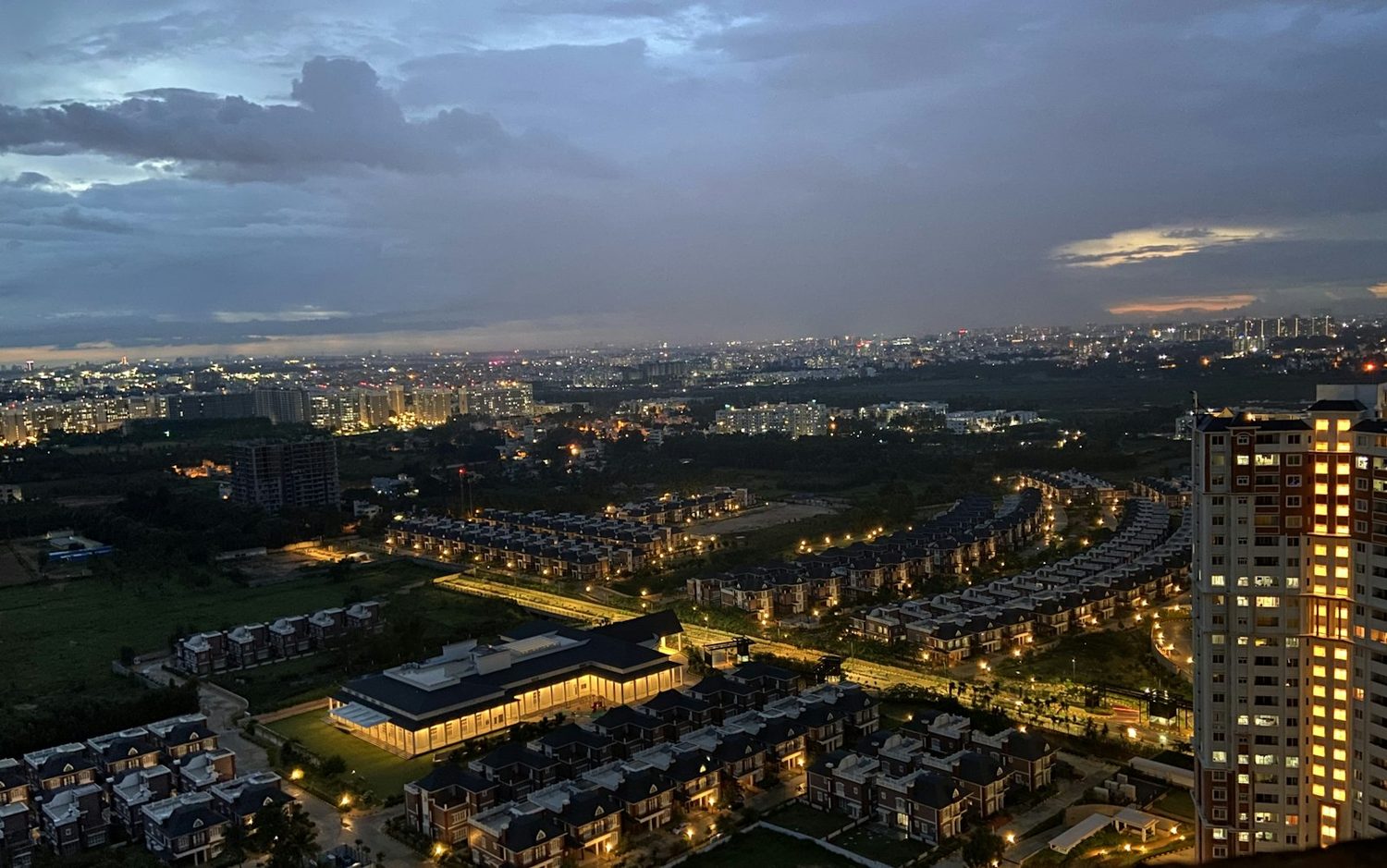
The Oakwood Suites sits in the Outer Ring Road technology corridor, surrounded by the exact corporate demand its all-suite product is designed to serve. It was capturing almost none of it on contract. Occupancy of 58% was assembled almost entirely from OTA-sourced transient business at 82% channel share, which meant the property was paying commission on corporate travellers whose employers had negotiated rates at competitors two kilometres away. The property had never participated in a corporate RFP cycle and was not loaded in any travel management company system.
The complication
Two failures compounded. The first was commercial: the property had missed three consecutive annual RFP seasons, which in corporate travel is not a recoverable position within a single cycle — rates are loaded annually and a property absent from the cycle is invisible for twelve months regardless of its merits. The second was technical: the booking engine, unchanged since 2017, abandoned 88% of sessions that reached the payment step. It offered no UPI, no corporate billing option, no GST invoice capture, and required account creation before checkout. Even the corporate demand the property did attract directly could not transact. The property was simultaneously unable to be contracted and unable to be booked.
“
Missing out on mid-week corporate business travel contracts. Outdated booking engine with 88% cart abandonment, combined with zero retargeting ads.
Engagement scoping note




Partner commentary
Contracted corporate business supplied 14.8 points of the 23-point occupancy gain and, because it arrives commission-free, carried a disproportionate share of the margin improvement. The engine rebuild is the intervention with the clearest attributable return: payment-step abandonment fell from 88% to 41%, and the recovered volume alone would have justified the capex within seven months. Weekend occupancy rose from 31% to 62%, closing most of the weekday gap that had made the asset structurally inefficient.